Balcony Solar Power: What to Check Before Connecting It at Home
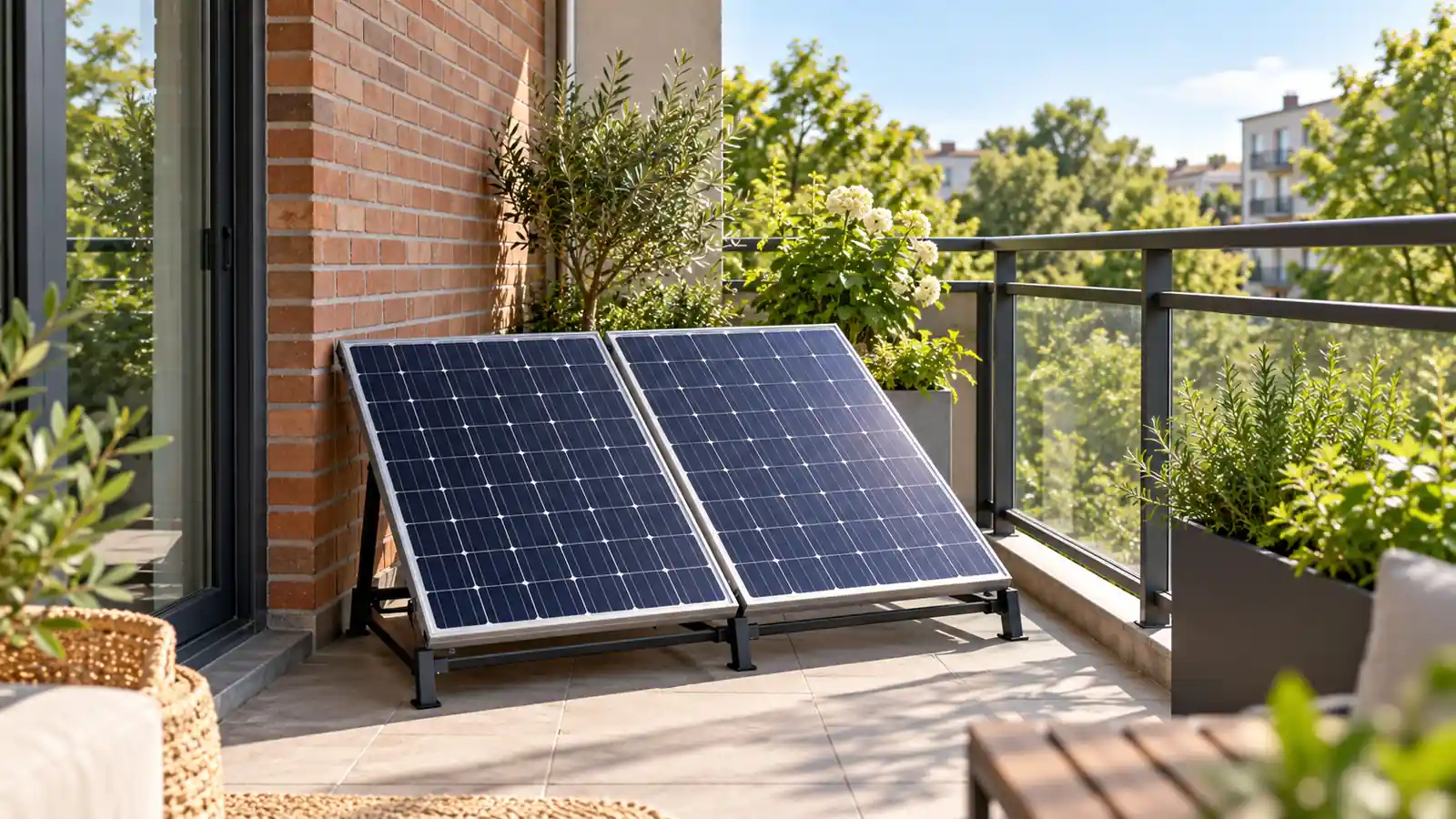
Before connecting balcony solar equipment to your home, confirm how the system works, whether the exact product is suitable for that connection, and what your utility and local authority require. A panel that fits on a balcony is not automatically approved to feed electricity into a household outlet.
For an Atlanta-area homeowner or renter, the important decision is the electrical arrangement behind the sales description. Ask whether the equipment will charge a separate battery, supply individual devices, or send power into the building’s wiring. Those are different projects.
What does “balcony solar” actually mean?
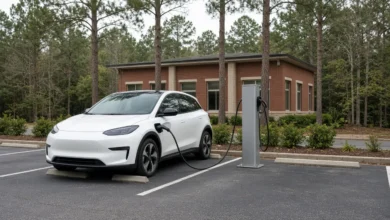
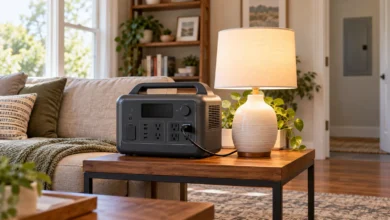
The phrase describes where a small solar system may be placed, but it does not establish its wiring method. A portable panel charging a compatible power station is different from a plug-in photovoltaic system that sends electricity into a branch circuit. If that battery is meant to charge a car, how to read portable solar charging specs for an EV explains what the ratings do and do not promise.
Start with a complete model list: panels, inverter, battery if included, connecting equipment and installation instructions. If the seller cannot clearly identify the intended connection method, resolve that before purchasing.
Why an ordinary outlet is not a complete safety check
UL Solutions identifies potential risks when plug-in photovoltaic equipment backfeeds existing circuits. The combined supply can create overcurrent-protection challenges; exposed plug contacts and interactions with ground-fault protection also require attention. A receptacle that accepts a plug does not establish that the whole system is safe.
Use UL’s explanation of plug-in solar safety considerations as a starting point for the questions to ask. Do not improvise adapters or bypass protective equipment to make an incompatible product connect.
| Proposed arrangement | Question to resolve |
|---|---|
| Panel charging a separate battery | Are the panel and battery input compatible according to both manuals? |
| Battery powering individual devices | Do the device loads and operating conditions fit the battery system’s limits? |
| System feeding household wiring | Is the product approved for that application, and is the connection acceptable to the utility and local authority? |
Product certification and permission to connect are separate
On January 8, 2026, UL Solutions announced a testing and certification program for plug-in solar systems based on UL 3700. The program addresses construction, performance and labeling criteria for this equipment.
That certification framework does not establish that every advertised kit has been certified, or that every location permits the same installation. Ask for verifiable certification information for the exact product and application. Treat marketing terms such as “plug and play” as descriptions to investigate, not permission to connect.
What should Georgia homeowners check?
Georgia Power’s residential solar guidance tells customers planning a grid-connected solar installation to begin with an interconnection application before connecting to its grid. Its published solar process is useful background, but it is not a specific approval for a balcony kit.
Send the utility the exact system documentation and ask which process applies. Confirm local electrical requirements with the authority responsible for the property address. Renters should also establish what the property owner allows before making changes to wiring or mounting equipment.
Prepare a useful assessment request
Gather the model numbers, proposed connection method, photographs of the intended location and accessible equipment labels. Ask who will confirm mounting, weather exposure, cable routing and electrical protection. Keep covers in place and leave testing of the circuit to a qualified electrician.
If the plan involves household wiring, discuss the existing panel and circuits before assuming that replacement is necessary. Mason Electric’s electrical panel assessment and upgrade service is a relevant starting point for that conversation.
Can balcony solar keep the lights on during an outage?
Do not infer backup capability from the presence of solar panels. Ask the manufacturer to document what the complete system can power during a grid outage and which equipment or operating mode is needed. A battery’s presence alone does not answer how household circuits will be supplied.
The buying decision starts with the connection plan. Confirm the product, site requirements and approvals first; then compare the practical benefits of the systems that fit your home.