Circuit Breaker Replacement
Before replacing the breaker, find out what it is telling you.
A breaker trips when you run the microwave. Another will not stay set. You may have a worn device, an overloaded circuit, or a fault elsewhere. Those situations need different repairs. Mason Electric can assess the circuit and explain when replacement is the right next step.
What you noticed helps narrow the visit.
Trips with several loads
Tell us which appliances run together and how long they operate before the trip. This can point the assessment toward circuit loading.
Trips immediately
Record whether it happens with a particular device or even when that device is not in use. The circuit needs diagnosis, not repeated resetting.
Will not reset or has damage
A mechanical issue, equipment fault, or panel condition may be involved. A replacement quote needs the breaker and panel identified first.
The circuit and the breaker are evaluated together.
Circuit response
A tripping breaker may be responding correctly to an overload, short circuit, ground fault, or another condition it is designed to detect. A failed breaker is also possible. Symptoms alone do not prove which one is responsible. Our guide on how to tell if a circuit breaker is bad explains the common signs.
Diagnostic assessment
The assessment can include circuit identification, connected loads, device type, wiring condition, connections, and the panel’s condition. AFCI, GFCI, and dual-function protection introduce additional diagnostic information and must be evaluated as the correct type of device.
Urgent warning signs
If you notice smoke, active arcing, or a burning smell, keep away from the affected equipment and seek urgent help. Do not remove the panel cover or continue resetting a circuit that trips again.
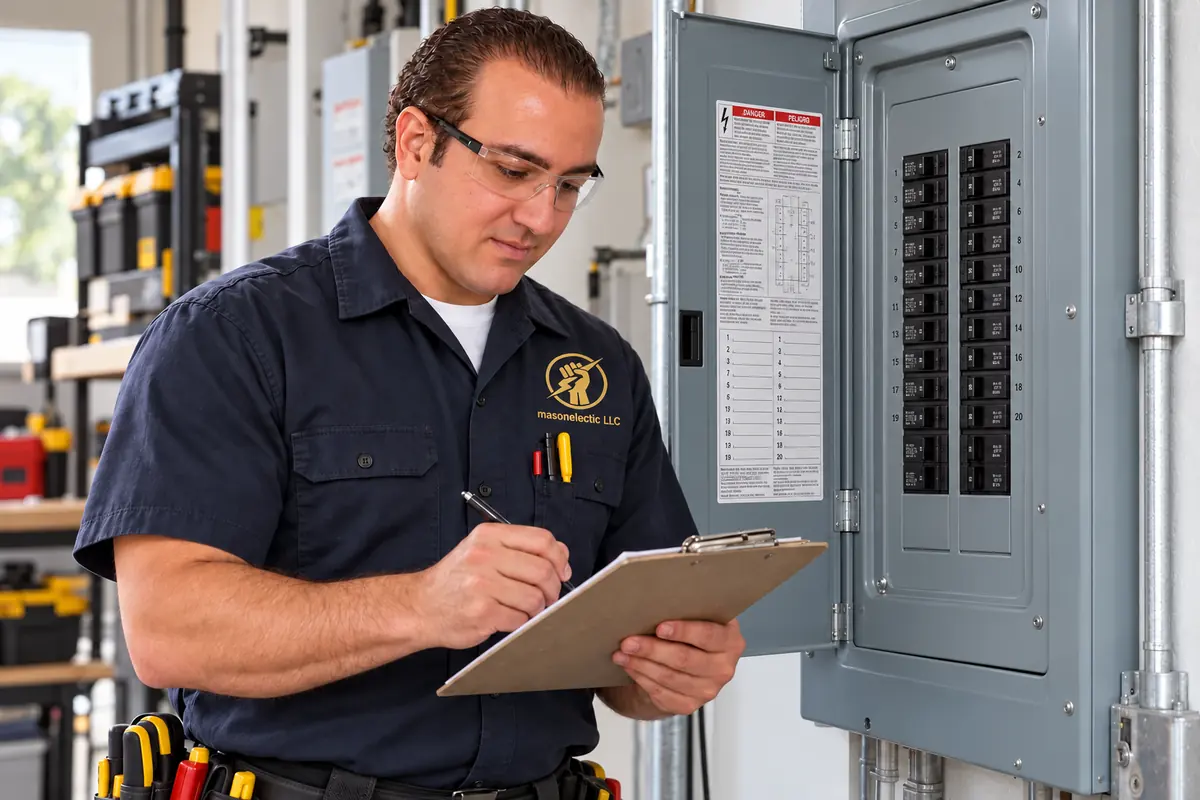
“It fits” is not a compatibility check.
Approved replacement
A replacement must suit the specific panel and application. The selection includes the approved catalog type, poles, ampere and voltage ratings, protection function, and installation requirements. Breakers that look similar are not automatically interchangeable.
Compatibility documentation
UL’s circuit-breaker application guide explains how classified replacements use a compatibility list for specified panelboards. A cross-brand device needs the relevant approval for the actual panel; the shape of its case is not enough.
Panel identification
If the panel label is accessible without removing a cover, a clear photo can help identify the equipment before the visit. Leave hidden labels and interior inspection to the electrician.
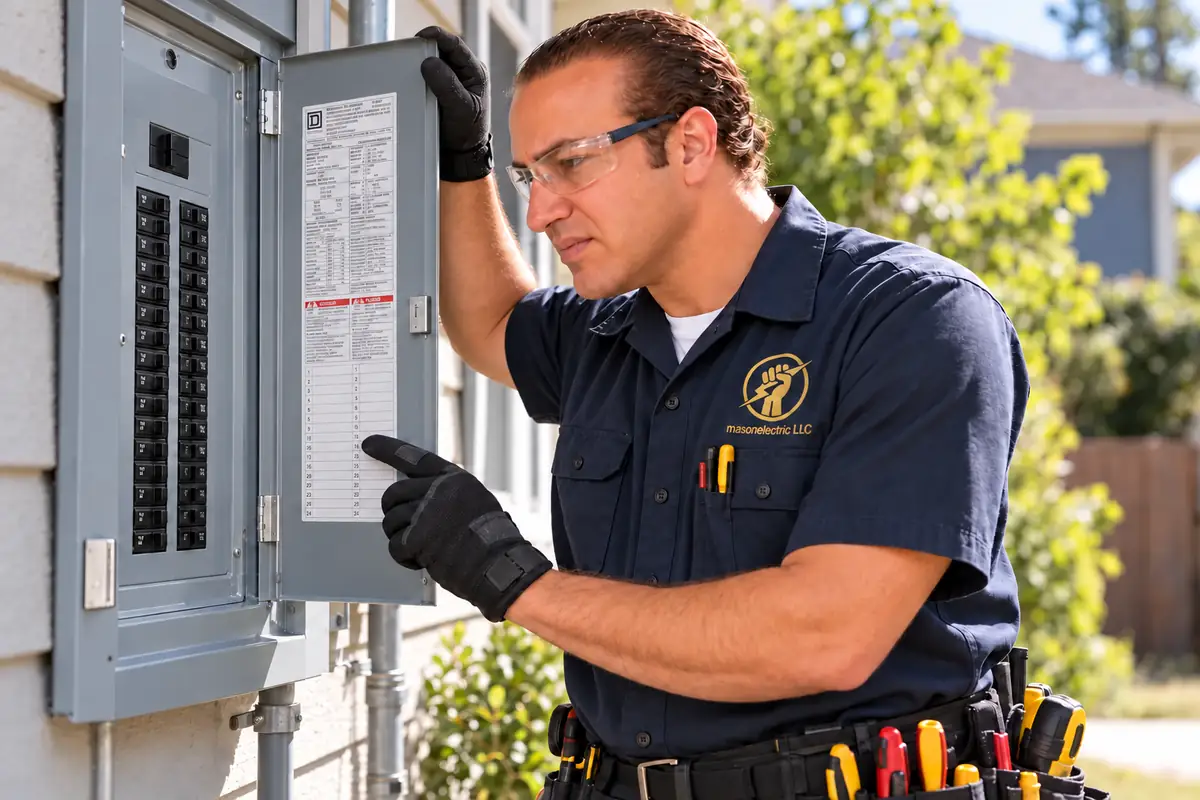
The finding determines the repair.
| Finding | Possible next step |
|---|---|
| Breaker fault; circuit and panel suitable | Install the correct replacement and verify operation. |
| Load exceeds the circuit’s intended capacity | Evaluate load use or a suitable circuit addition. A larger breaker is not an automatic remedy. |
| Fault in wiring or connected equipment | Locate and correct that condition before returning the circuit to service. |
| Damage at the panel or breaker connection | Evaluate panel repair or replacement rather than assuming a new breaker will resolve it. |
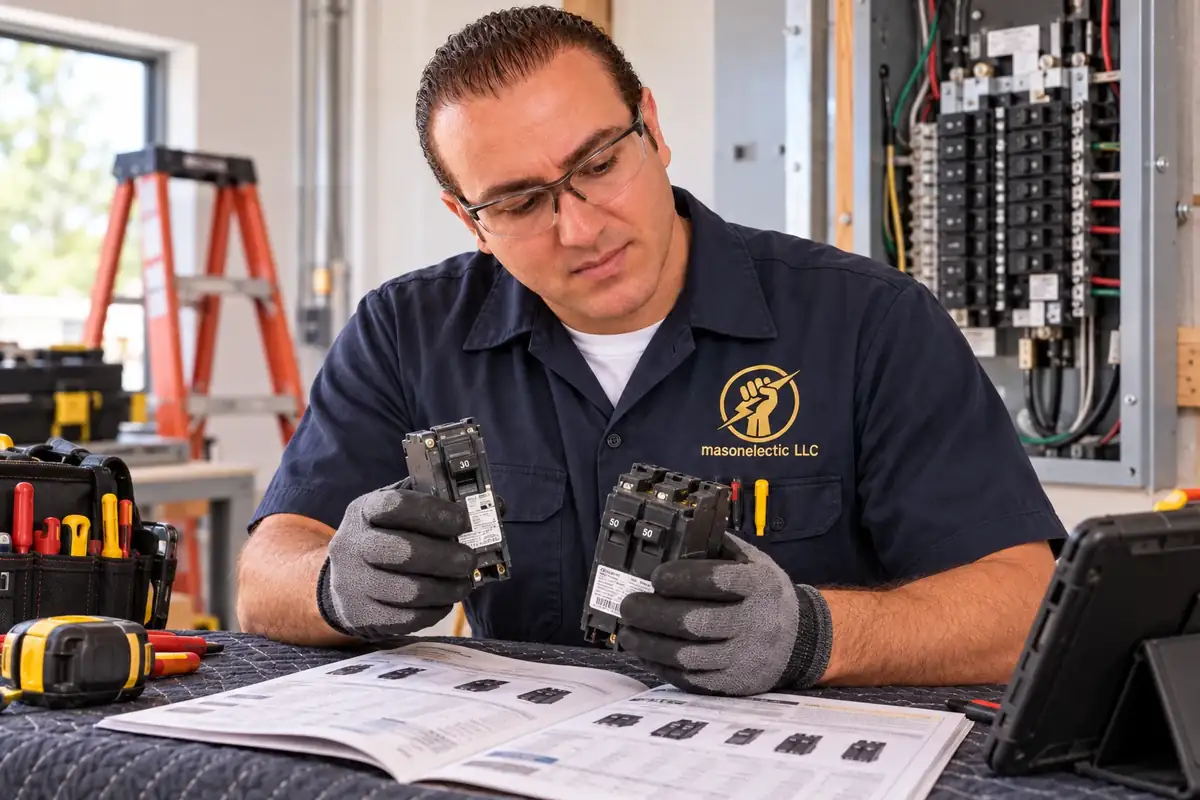
Keep the protection matched to the circuit.
Correct circuit protection
Replacing a 15-amp breaker with a 20-amp device changes the protection. It requires evaluation of the conductors, connected load, and applicable requirements; it is not a shortcut for nuisance trips. The estimate should explain whether the scope is a breaker replacement, circuit repair, or capacity change.
Panel condition
A damaged bus connection or an unsuitable panel can move the conversation beyond one breaker. If that is the finding, review electrical panel replacement or upgrade as a separate scope. Ask what condition supports that recommendation.
Power interruption planning
Access and planned power interruption should also be discussed. Include home-office equipment, refrigeration, medical equipment, or business operations that affect outage planning.
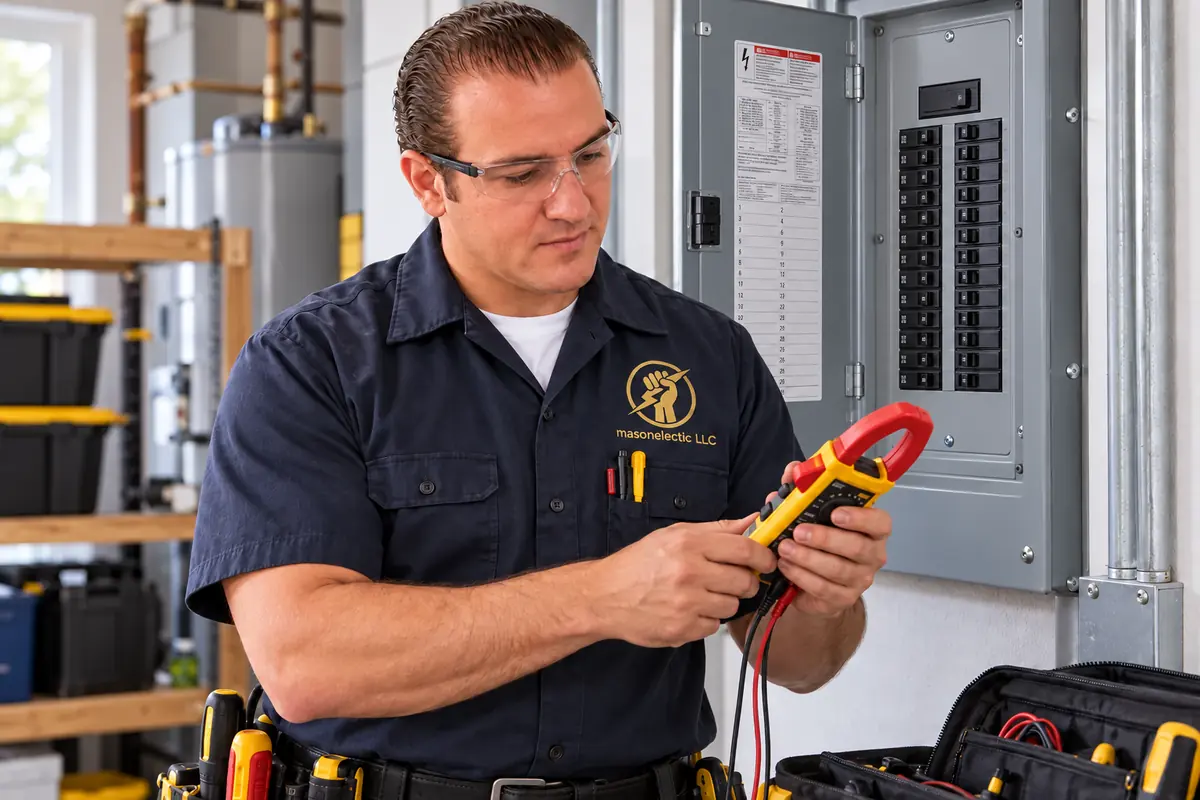
Request a diagnosis with a clear replacement scope.
Diagnosis and replacement scope
Breaker type, parts availability, circuit testing, panel access, identified faults, and necessary correction work affect the estimate. Protective devices with different functions are not priced or specified as interchangeable parts.
Codes and inspection
The UL circuit-breaker resource describes the role of overcurrent protection. Georgia’s electrical-code framework guides the applicable installation requirements. Confirm permit and inspection scope for the work actually proposed.
Questions about the breaker repair.
Does a breaker that keeps tripping need replacement?
Not automatically. It may be protecting against an overload or fault. Circuit assessment determines whether the breaker is defective or another condition needs repair.
Can you install a bigger breaker to stop the trips?
A larger rating requires circuit evaluation. The conductors, equipment, load, and applicable requirements must support it; changing the device alone can remove needed protection.
Can a different brand fit my panel?
Some classified products are approved for specific panels under a compatibility list. Others are not. Identify the actual panel and approved device rather than choosing by physical fit.
Does one bad breaker mean I need a new panel?
No. The panel’s condition and suitability must be assessed separately. Damage at the connection, unavailable approved parts, or other findings can change the recommended scope.
How long will the power be off?
That depends on access, the device, diagnosis, and any repair findings. Discuss the affected loads and planned interruption when the scope is defined.
Electrical service across Atlanta Metro
Atlanta Metro service
Mason Electric serves Atlanta, Alpharetta, Milton, Roswell, Duluth, Cumming, and Johns Creek. Include your address and ZIP code to confirm scheduling and the authority responsible for the property. City or county jurisdiction and the actual work determine the approval process. Serving Alpharetta? See our Electrician in Alpharetta page.
Local permitting
For properties within Atlanta, use the City of Atlanta’s Office of Buildings information to reach the relevant permitting department. Confirm the project-specific permit and inspection steps before work is scheduled.
Tell us when the breaker trips.
Send the symptoms and an exterior panel photo. We can discuss the diagnostic visit and the conditions that would make replacement appropriate.