Budget Cordless Tools: Check the Kit, Not Just the Price
Compare a usable setup before comparing prices
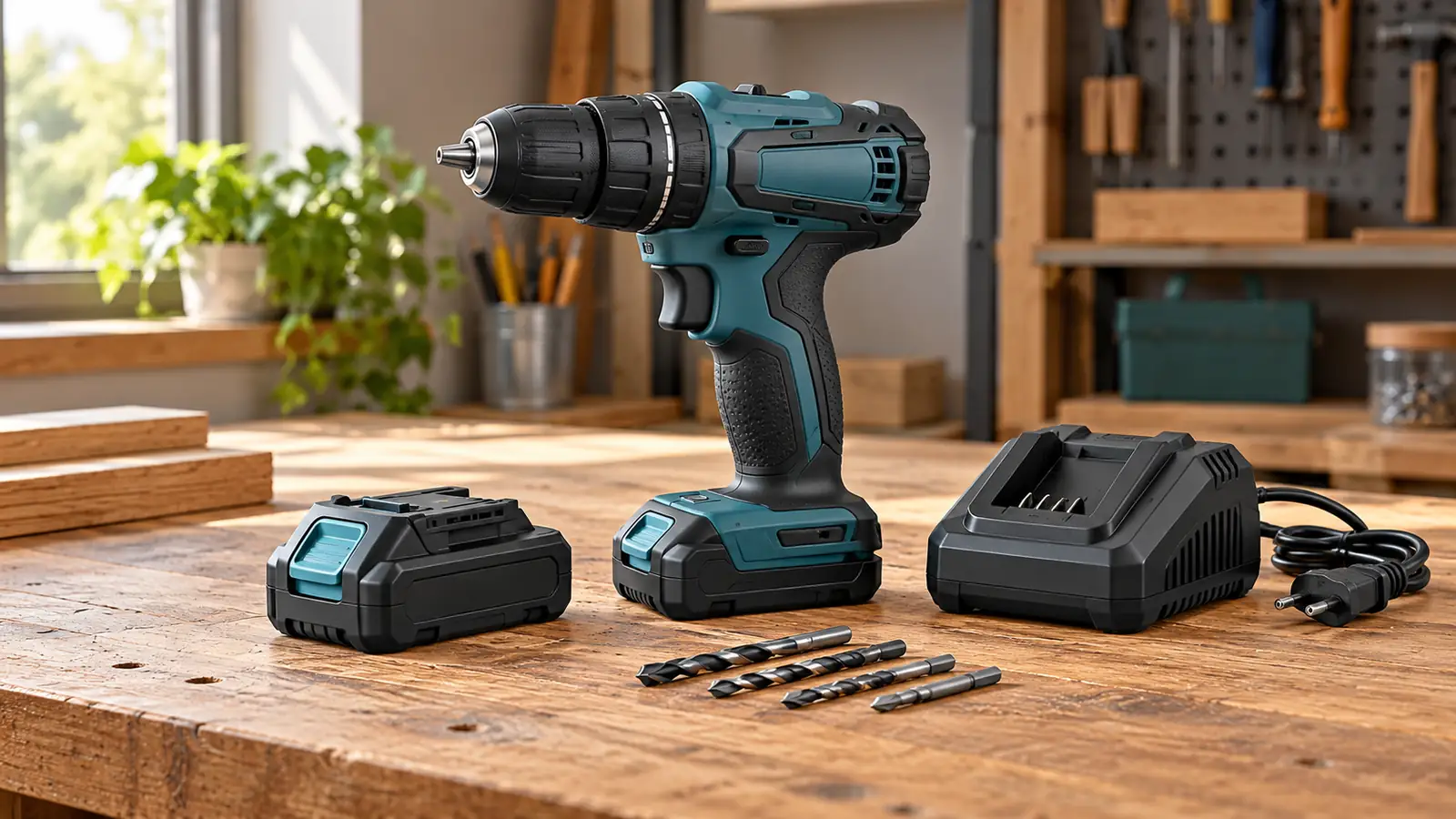
A budget cordless tool purchase should cover the tool, compatible battery, charger and the accessories your job requires. A lower tool-only price is useful if you already own compatible equipment. It can be a misleading comparison if you are building a kit from scratch.
For homeowners, small-business maintenance teams and electricians, the buying question is practical: what work needs doing, and what equipment do you already have? A compact drill for a reachable fastening task and a hammer drill for a specified masonry application are different purchases. Neither becomes the right choice simply because a listing has a discount badge.
The Bosch models below illustrate how packages differ. They are documented examples, not a hands-on ranking, price survey or recommendation that one model is best for every electrical project. Check the exact seller listing and manufacturer instructions before ordering.
| Documented model | Package and platform | What to check before buying |
|---|---|---|
| PS31N | 12V Max drill/driver, sold as a bare tool; the listed contents include the tool and two bits. | Do you already own the compatible battery and charger? |
| CLPK22-120 | 12V Max kit: PS31 drill/driver, PS41 impact driver, two 2.0 Ah batteries, charger, bits and bag. | Will you use both tools, and does the complete kit fit your tasks? |
| GXL18V-233B25 | 18V kit: hammer drill/driver, bit/socket impact driver/wrench, two CORE18V 4 Ah batteries, charger and bag. | Does the job justify this tool set and a separate battery-platform purchase? |
A bare tool can make sense when your platform is already covered
Bosch identifies the PS31N as a bare-tool drill/driver. Its listed package does not include a battery or charger. That distinction matters more to a first-time buyer than the headline tool price.
Before treating an existing battery as a saving, check the exact supported battery and charger models. Brand name or a similar-looking connection is not enough. Write down those model numbers and compare them with the current instructions rather than relying on a seller photo that may show optional accessories.
Read the contents list of a starter kit
The official CLPK22-120 contents list provides a concrete example of a more complete starting package: two tools, two batteries and a charger. This gives a buyer specific items to compare with a tool-only offer.
Use a simple comparison note: delivered tool price, missing battery and charger costs, required accessories and any duplicated equipment. Enter current prices yourself from the offers you are considering. Do not count the apparent value of a second tool unless you have a reason to use it.
Choose the tool function before moving to a larger platform
Bosch’s GXL18V-233B25 specification lists a hammer drill/driver and a combination bit/socket impact tool, with two 18V 4 Ah batteries. That is a different equipment package from the compact 12V examples, not evidence that every smaller tool needs replacing.
List the material, fastener and access space for your next job. Then check the required operating mode, bit or accessory and the manufacturer’s limits. Voltage and battery capacity alone cannot tell you whether a tool will suit the task or what runtime you will achieve.
Keep the purchase separate from electrical installation decisions
Owning a drill does not establish that a proposed electrical alteration is suitable for DIY work. Tool selection and decisions about circuits, permits or safe access to wiring are separate questions. If your project involves an uncertain electrical installation, define that scope with a qualified electrician first.
For an occasional household job, the useful purchase may be one compatible tool. For a maintenance workflow, it may be a complete kit with a clear charging plan. Start with the work and the equipment you already own; only then compare the complete purchase cost.